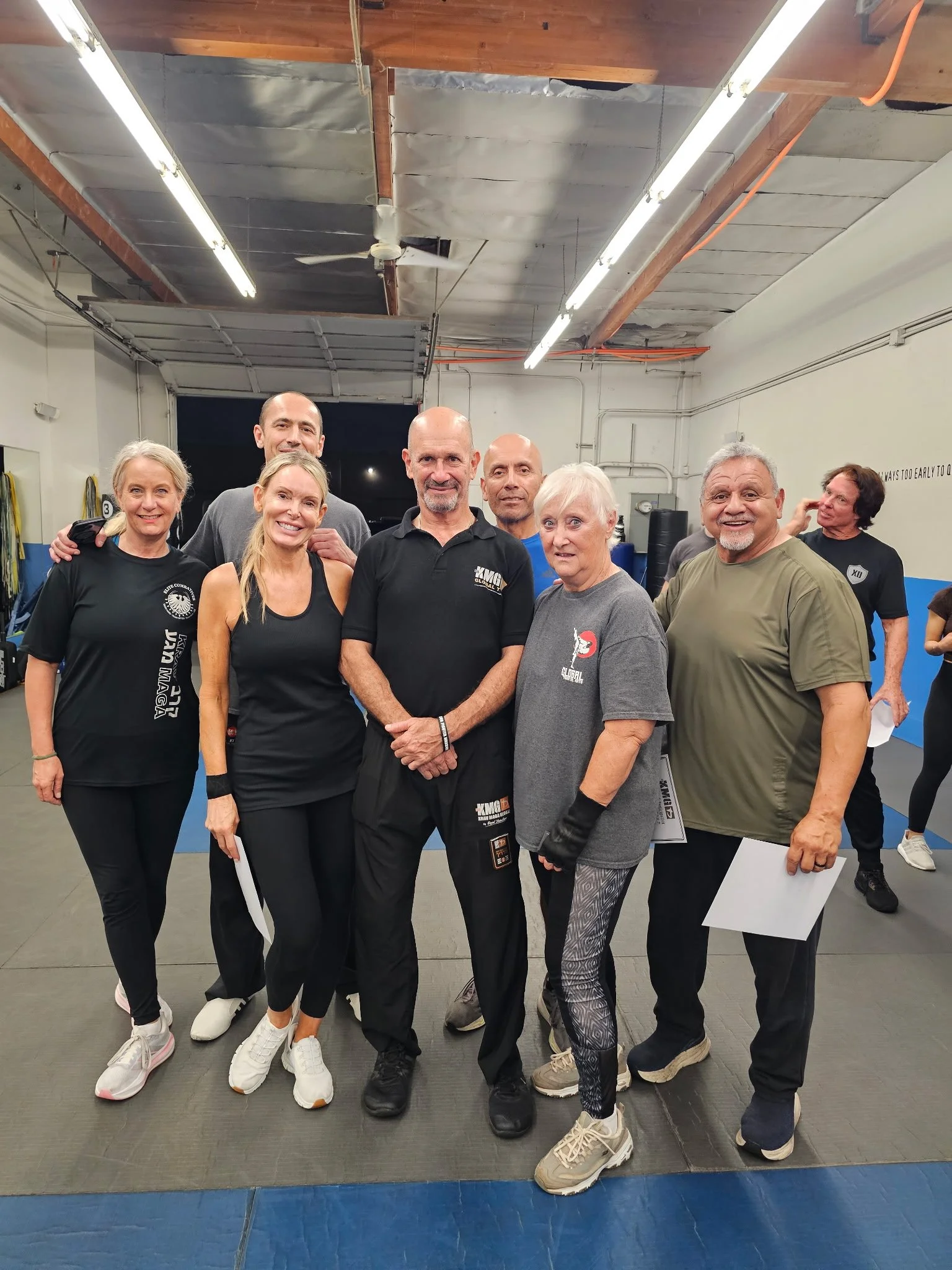
Here’s a realistic benchmark many programs use.
**0–4 Weeks: Building Foundations (Defense Basics + Movement)**
Students are usually learning the “language” of Krav Maga:
- **Core stance and movement** (balance, distance, turning, re-centering)
- **Basic escapes and safety habits** (avoiding bad positions, controlling range)
- **Simple defenses** (learning angles, protecting vital areas)
- **Breathing and composure** during drills (not panicking)
What efficiency looks like here:
- Students can perform a few core defenses with decent form
- They can remember steps more reliably as they repeat them
---
**4–8 Weeks: Confidence + Repetition Under Pressure**
This is where many students start to feel like, “I can actually do something.”
- **More reps and faster transitions**
- **Partner work** that adds resistance and timing
- **Technique application** against realistic attacks (within safe training rules)
- **Escape-first thinking** becomes stronger
What efficiency looks like here:
- Students recognize threats faster
- Defenses become more automatic in drills
- They start moving to escape instead of “trading techniques”
---
**2–3 Months: Noticeably Practical Skills**
Around this stage, students often become efficient enough to handle common scenarios in training.
- **Countering improves** (defense → counter → disengage)
- **Combinations** become smoother
- **Stress management** increases through sparring rounds or scenario drills
- **Decision-making** improves (what to do first, second, third)
What efficiency looks like here:
- Students can respond without freezing
- Their technique works even when they’re moving, turning, or being tested
---
**3–6 Months: Consistency (The Real “Efficiency” Zone)**
For most adults training consistently, this is where efficiency becomes repeatable.
- **Better mechanics and timing**
- **Improved footwork under pressure**
- **Stronger awareness** of distance, angles, and exit routes
- **More scenario training** (verbal intimidation, grabs, surprise attacks, getting off the line)
What efficiency looks like here:
- Students can handle typical attacks with fewer mistakes
- They recover quickly after being interrupted or thrown off rhythm
---
**6–12 Months: Reliable Effectiveness**
After sustained training, students often reach a level where techniques aren’t just memorized—they’re usable.
- **Higher-level sparring or scenario intensity** (age/ability dependent)
- **Adaptation** (different attacker behaviors, different distances)
- **Refinement** of counters and transitions
- **Conditioning** supports performance under fatigue
What efficiency looks like here:
- Students respond quickly and effectively even when tired or surprised
- Their decision-making becomes clearer and more instinctive
---
## How Often Should Students Train to Progress Faster?
Frequency is one of the biggest predictors of efficiency. Here are practical guidelines:
- **2x per week:** solid progress; efficiency often takes longer to “click”
- **3x per week:** typical path to being efficient within a realistic timeframe
- **4–5x per week:** faster skill acquisition, especially if coaching quality is high
If a student can only train 1x per week, they can still improve—but “efficiency” will typically take significantly longer because the body and brain need more repetition and stress adaptation.
---
## The Biggest Factors That Change Timelines
Even if two students train the same schedule, results can differ. These factors matter a lot:
- **Consistency** beats intensity
- Regular training builds automatic responses
- **Quality of coaching**
- Good instruction reduces wasted effort and prevents bad habits
- **How much realistic pressure they train**
- Too much pressure too early can slow learning
- Too little pressure can prevent skill from becoming usable
- **Physical readiness**
- Mobility, balance, and conditioning improve technique under stress
- **Student mindset**
- The students who improve fastest usually stay coachable and persistent
---
## Practical Coaching Tips for Your Students (and Parents)
If you want to increase “efficiency speed,” you can coach students to focus on these:
- **Train the basics like they matter**
- Because in Krav Maga, basics *are* the technique under pressure
- **Show up consistently**
- Even smaller attendance gaps slow skill automation
- **Ask for feedback**
- One correction from a coach can save weeks of wasted practice
- **Stay safe but don’t go soft**
- Training should be challenging enough to simulate stress—without being reckless
- **Track progress**
- Students improve faster when they can see milestones (speed, accuracy, escape success)
---
## Closing: The Real Answer to “How Long?”
In Krav Maga, students usually become **noticeably efficient** when they can:
- defend without freezing,
- transition to counter or escape,
- and perform these skills repeatedly under realistic practice conditions.
That often lands around:
- **2–3 months** for practical capability, and
- **3–6 months** for consistent efficiency (for many adults training regularly).